XRP Army Reacts As Ripple CEO Allegedly Buys a Miami Villa for $17.2 Million
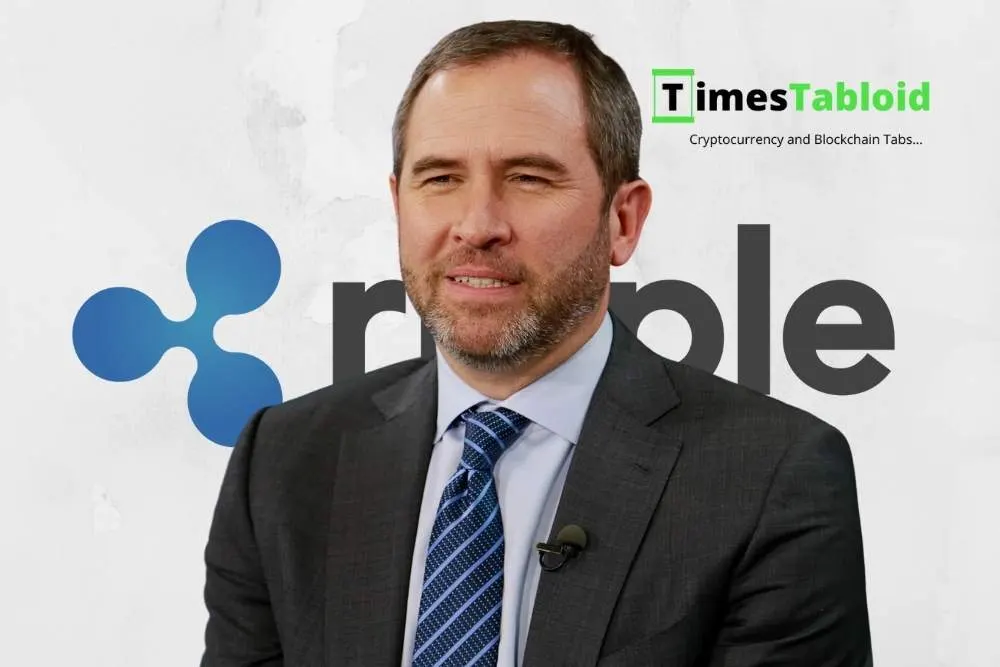
Crypto commentator @X_R_P_X_R_P has questioned the financial benefits Ripple executives have accumulated while XRP holders remain exposed to the cryptocurrency’s market performance.
The commentator raised the issue following reports that Ripple CEO Brad Garlinghouse and his wife purchased a luxury Miami property for $17.2 million, equivalent to approximately 2.6 billion Japanese yen.
The post questioned whether XRP sales helped finance the executive’s wealth and suggested that Garlinghouse and Ripple could retain their assets even if XRP lost its entire market value.
リップル社CEOのブラッド・ガーリングハウスがマイアミに別荘を26億円で購入https://t.co/mAJuCh3bGZ
このお金はどこからやってきたんでしょうか?
もちろん、あなた達にXRPを売りつけたお金です笑XRPが暴落して0になっても、
ブラッドには別荘が残ります。… pic.twitter.com/RlBpXQfrWi
— XRP被害者の会 (@X_R_P_X_R_P) November 1, 2026
Ripple CEO’s Miami Property Purchase Raises Questions
In the post on X, @X_R_P_X_R_P linked Garlinghouse’s reported property purchase to Ripple’s history of selling XRP. The commentator suggested that money generated from XRP sales ultimately helped finance the wealth enjoyed by the company’s executives.
The post also presented a scenario in which XRP falls to zero. Under that hypothetical situation, the commentator argued that Garlinghouse would still own his Miami villa, while Ripple would retain the institutional businesses it acquired over the years.
Meanwhile, individual XRP holders could lose their investments if the token experienced such a collapse.
The property purchase provides context for the commentator’s criticism. Garlinghouse and his wife, Tara, reportedly purchased the Miami Beach property on the Venetian Islands for $17.2 million. The amount converts to approximately ¥2.6 billion, matching the figure referenced in the post.
However, the commentator did not provide financial records establishing that Ripple’s XRP sales directly financed the property purchase.
XRP Sales and Ripple’s Corporate Wealth
The criticism touches on a longstanding issue surrounding Ripple’s relationship with XRP. Ripple holds substantial XRP reserves and releases tokens from escrow under its established distribution arrangements. The company has also used XRP sales to generate revenue and support its operations and business development.
However, Ripple’s corporate finances and Garlinghouse’s personal wealth are separate matters.
Garlinghouse has held senior executive positions at several technology companies, including Yahoo!, AOL, and Hightail, before becoming Ripple’s CEO in 2016. His wealth also involves his position within Ripple and his personal financial interests.
Ripple has expanded its institutional business through acquisitions, including Metaco, Standard Custody, and Fortress Trust. These businesses form part of its wider financial infrastructure strategy.
Consequently, the company’s corporate assets, executive compensation, personal investments, and XRP holdings represent different sources of financial value.
Users Debate the Financial Relationship
The post attracted responses from users who approached the issue from different perspectives.
Neil Mason described XRP as the biggest scam in history. He noted that Ripple sold a token to the public and used the proceeds to finance a billion-dollar company. He also referenced the distinction between Ripple and XRP, suggesting that the separation allows the company to maintain its business interests independently of the token’s market performance.
Patpro challenged the criticism from another angle, asking: “Do you think they were poor before creating XRP???”
The response questioned the assumption that Garlinghouse’s wealth originated primarily from XRP sales, given his previous executive career.
Ultimately, @X_R_P_X_R_P’s post raises questions about the financial relationship between cryptocurrency companies, their executives, and retail investors. While Ripple has developed valuable institutional businesses, XRP holders remain exposed to the token’s market price. The distinction between corporate success and token performance remains central to the debate.
This story was originally published by Times Tabloid. Read the original article.