XRP or Stellar (XLM)? We asked AI which crypto is better positioned for 2027
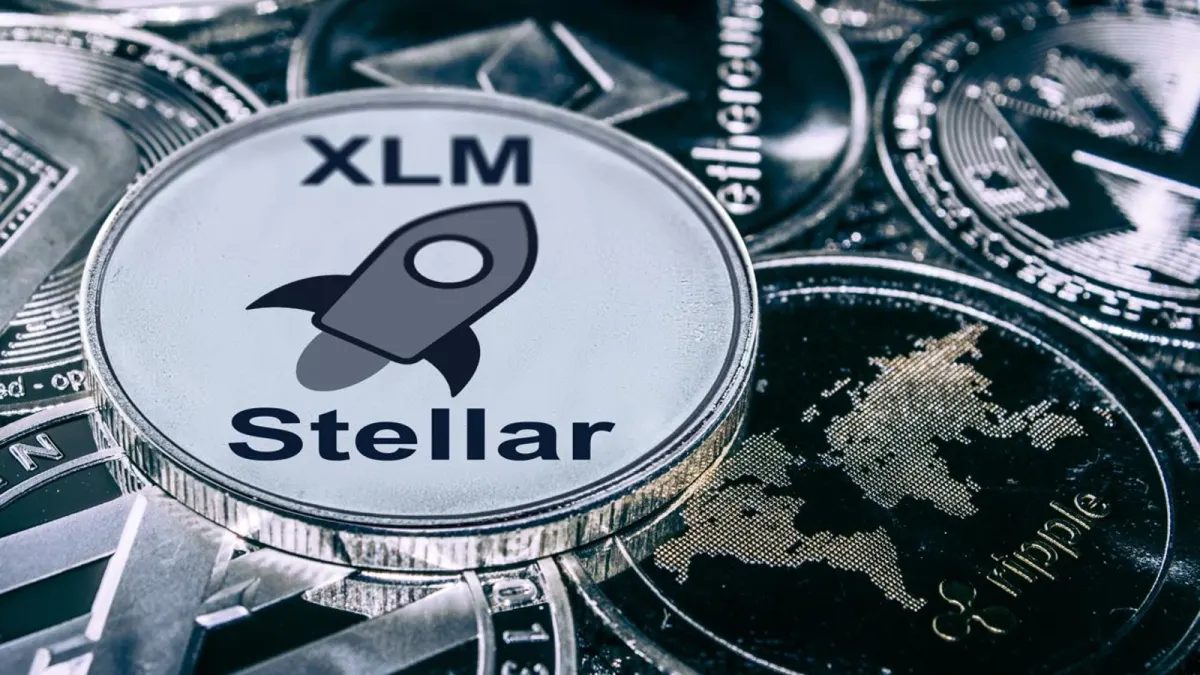
We asked two leading artificial intelligence (AI) models whether XRP or Stellar (XLM) was better positioned for 2027, and the results were surprisingly similar.
Namely, OpenAI’s artificial intelligence model, ChatGPT, pointed to XRP’s stronger institutional investment narrative and growing exposure to traditional financial markets as key advantages over Stellar.
Similarly, Anthropic’s AI assistant, Claude, declined to name a winner, claiming no one can reliably forecast the answer, but still admitted XRP has more concrete, near-term demand catalysts.
ChatGPT picks XRP over Stellar
First, ChatGPT highlighted the potential impact of institutional investment products, including spot XRP exchange-traded funds (ETFs), as another source of demand. It also pointed to Ripple’s expanding ecosystem, including its RLUSD stablecoin and efforts to establish the XRP Ledger (XRPL) as infrastructure for institutional settlement.
However, the AI model acknowledged that Stellar could become a formidable competitor if its institutional partnerships translate into meaningful adoption. For instance, it singled out the planned integration with the Depository Trust and Clearing Corporation (DTCC), which could bring tokenized financial assets onto the blockchain.
ChatGPT also highlighted Stellar’s growing stablecoin ecosystem and RWA tokenization activity, arguing that these developments give XLM a potentially compelling investment narrative heading into 2027.
Still, ChatGPT favored XRP as the primary crypto investment choice for 2027, while describing XLM as a potentially higher-risk alternative. The conclusion was that XRP currently offers the more established institutional adoption thesis, whereas Stellar could become increasingly attractive if DTCC integration and tokenization efforts deliver solid results.
Claude agrees on XRP forecast – to an extent
Claude started on a more negative note, reminding that both tokens are struggling. However, like ChatGPT, it still pointed to institutional access as XRP’s main advantage, also adding that the CLARITY Act could help translate into demand for XRP.
For Stellar, Claude highlighted tokenization. For example, the network attracted $757.5 million in tokenized funds over the 90 days to November 2. Recent milestones include a tokenized NASDAQ-100 fund launched by Janus Henderson and Centrifuge on October 27, and a cross-border stablecoin test by US Bank in September.
An important caveat, however, is that network activity doesn’t automatically raise XLM’s price. Rather, Claude said, both coins tend to move with the overall crypto market. Accordingly, it urged skepticism toward the 2027 price targets circulating online.
Nonetheless, the final rating showed that the AI model was more bullish on XRP, with only tokenization being a potential trump card in Stellar’s sleeve.
XRP or Stellar (XLM) for 2027?
Ultimately, both AI models see XRP as the stronger contender heading into 2027. The slightly skewed projections are largely due to its institutional adoption narrative and growing access to traditional financial markets.
However, Stellar still remains a credible alternative, with its tokenization initiatives and expanding stablecoin ecosystem offering potential upside. In other words, while XRP currently appears better positioned, XLM could narrow the gap if its institutional partnerships translate into sustained adoption.
This story was originally published by Finbold. Read the original article.