Vitalik Buterin Changes Course for Ethereum: Will ETH Become a New Store of Value?
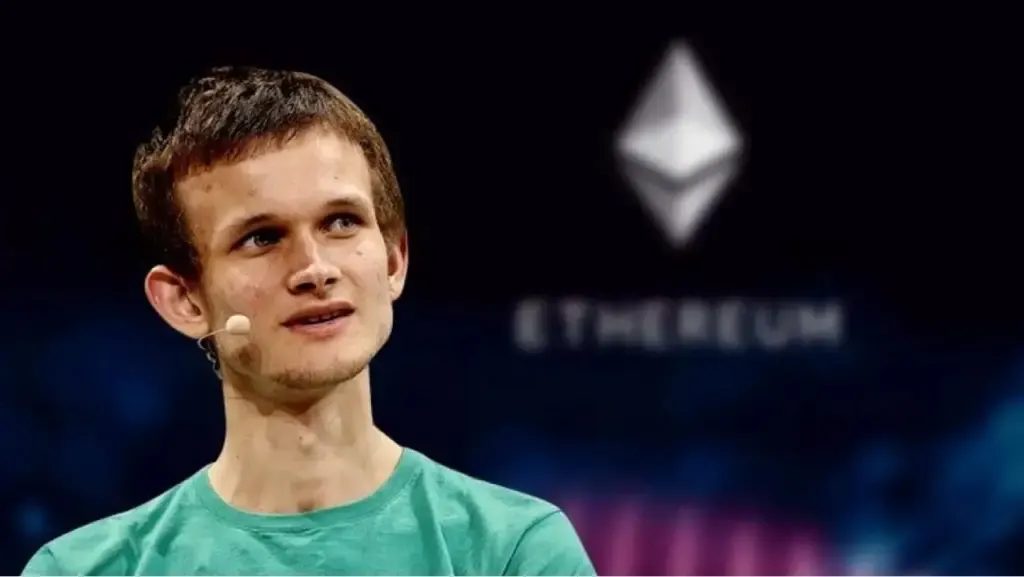
Vitalik Buterin argued that Ethereum’s value should not be based on burning transaction fees, but on decentralization, security, privacy, and resistance to censorship.
Ethereum co-founder Vitalik Buterin made a noteworthy assessment regarding ETH’s economic narrative. According to Buterin, the Ethereum community should view ETH not simply as an asset that gains value solely through the burning of transaction fees, but as a long-term store of value.

The EIP-1559 update implemented in Ethereum in 2021 enabled the burning of a portion of transaction fees. During periods of high network usage and fee revenue, the amount of ETH removed from circulation exceeded the amount newly created, leading to Ethereum becoming deflationary at times. The narrative within the community, referred to as “ultrasound money,” largely relied on this mechanism.
However, Ethereum transaction fees have dropped significantly with the widespread adoption of scaling solutions. The median transaction fee, which was approximately 35 cents in January, reportedly fell to 3.5 cents in October, while the daily transaction volume increased by more than 50%. While lower fees are positive for users, they reduce the amount of ETH burned and the network’s revenue.
Buterin believes that Ethereum’s true value should come from its “CROPS” features: resistance to censorship and hijacking, open source, privacy, and security. He argues that these features will become particularly important in an era where artificial intelligence will play a greater role in economic systems.
These statements don’t mean there will be an immediate change in Ethereum’s monetary policy. Buterin’s view is more of a strategic approach to how ETH should be explained to investors. While Bitcoin supporters criticize this approach, a segment of the Ethereum community believes a more transparent and sustainable economic narrative is necessary.
This story was originally published by Bitcoinsistemi. Read the original article.