SEC Grants Canton Coin No-Action Relief, Recognizing Token as a Digital Commodity
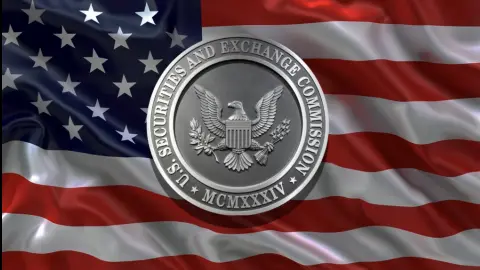
Canton Network announced Wednesday that the U.S. Securities and Exchange Commission (SEC) had granted no-action relief recognizing its native token, Canton Coin (CRYPTO: $CC), as a digital commodity.
Canton described the decision as the first of its kind from SEC staff since the commission released its crypto interpretation in March. Canton Coin rose approximately 4% following the announcement to around $0.098.
According to the press release, the relief covers Canton Coin minting by Super Validators, Validators and application providers, allowing them to operate without registering those activities under federal securities laws.
Canton said the decision provides greater regulatory certainty for institutions and developers seeking to participate in the network and earn rewards for supporting its infrastructure.
Digital Asset CEO Yuval Rooz, whose company developed Canton, said financial institutions need confidence in both the technology and the economic model underpinning blockchain networks. He described the SEC staff's decision as providing “important clarity” on how public blockchains can reward participation within existing regulatory frameworks.
The relief comes with important limitations. It represents the position of SEC staff rather than a binding determination of Canton Coin's legal status. SEC staff issued similar token-related no-action letters to DoubleZero in September 2025 and Fuse in November 2025.
The announcement also carries implications for Nasdaq-listed Canton Strategic Holdings (NASDAQ: $CNTN), which holds Canton Coin and operates as a Super Validator on the network. The company announced last week that it plans to tokenize its shares for trading on the Canton blockchain.
Shares of Canton Strategic Holdings (NASDAQ: $CNTN) are currently trading at $2.13.
This story was originally published by CryptoProwl. Read the original article.