From Stablecoins to Silver: Why Crypto Traders Diversify Into Physical Metals

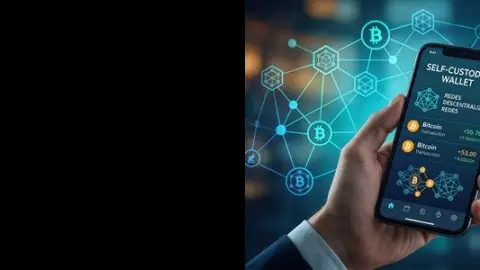
Cryptocurrency has transformed how investors think about money, ownership, and financial independence. From Bitcoin’s decentralized network to stablecoins designed to maintain a consistent value, digital assets have introduced new ways to store and transfer wealth. Yet as cryptocurrency markets mature, some traders are looking beyond digital wallets and blockchain technology to diversify their holdings. Physical precious metals, particularly silver, are attracting attention as tangible assets that can complement a digital investment strategy.
Why Crypto Traders Are Looking Beyond Digital Assets
Cryptocurrency markets are known for their volatility. Bitcoin, Ethereum, and other digital assets can experience dramatic price movements within hours, creating opportunities for traders while exposing them to significant losses. Even stablecoins, which are generally pegged to currencies such as the U.S. dollar, carry risks related to issuers, reserves, regulation, and the infrastructure supporting transactions.
For traders accustomed to managing digital assets, physical silver offers a fundamentally different form of ownership. Unlike cryptocurrencies, silver does not require a blockchain network, internet connection, or digital wallet to exist. Its value is influenced by global supply and demand, industrial consumption, investment activity, and broader economic conditions.
Why Physical Silver Appeals to Digital Investors
One reason cryptocurrency enthusiasts are exploring precious metals is the desire to hold assets outside digital financial infrastructure. Investors who buy silver or silver bullion gain direct ownership of a physical commodity that can be stored independently of exchanges, banks, and blockchain networks. Silver coins and bars also provide an alternative to assets whose accessibility depends on passwords, custodians, or functioning electronic systems.
Silver has another characteristic that distinguishes it from most cryptocurrencies: substantial industrial demand. The metal is used in electronics, solar panels, electrical equipment, medical technologies, and other manufacturing applications. These commercial uses create sources of demand beyond investment speculation, although they do not prevent silver prices from experiencing significant volatility.
Stablecoins and Silver Serve Different Purposes
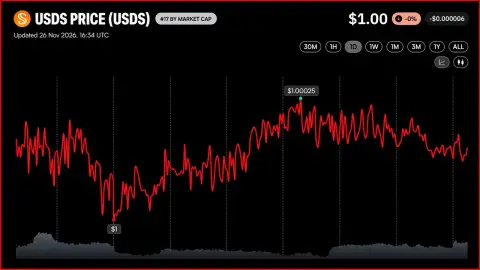
Stablecoins have become important tools within cryptocurrency markets because they allow traders to move between digital assets without necessarily converting funds into traditional bank deposits. Dollar-backed stablecoins generally seek to maintain a value of approximately one U.S. dollar, making them useful for trading, payments, and liquidity management.
However, stablecoins are typically designed to track their underlying currency rather than protect purchasing power against long-term inflation. If the dollar loses purchasing power, a dollar-pegged stablecoin generally experiences the same erosion.
Physical silver operates differently. Its market price fluctuates independently of any fixed dollar peg and may respond to inflation expectations, currency movements, industrial demand, and investor sentiment. While silver is sometimes viewed as a potential hedge against currency depreciation, its price can decline even during periods of elevated inflation.
Diversification Beyond the Blockchain
Diversification is increasingly relevant as cryptocurrency becomes a more established asset class. Holding multiple cryptocurrencies does not necessarily provide broad protection because digital assets frequently move together during periods of market stress.
Physical silver introduces exposure to a different market, with distinct supply chains, demand drivers, and ownership characteristics. Silver bullion coins, including American Silver Eagles and Canadian Silver Maple Leafs, offer recognizable products, while silver bars may provide lower premiums per ounce depending on size and market conditions.
However, physical ownership also introduces considerations such as secure storage, insurance, dealer premiums, and resale spreads.
The Future of Digital and Physical Wealth
The growing interest in combining cryptocurrency with precious metals reflects a broader conversation about financial independence and asset diversification.
Digital currencies offer speed, portability, and access to global financial networks. Physical silver offers tangible ownership, industrial utility, and a long history as a monetary metal.
For cryptocurrency traders exploring alternatives to exclusively digital holdings, silver represents another asset category worth understanding. Rather than replacing cryptocurrencies or stablecoins, physical precious metals can serve a different purpose within a diversified approach to managing wealth.
Disclaimer: This article is for educational purposes only and does not constitute financial or investment advice. Cryptocurrency and precious metals involve risks, including price volatility and potential financial losses.
This story was originally published by Coinfomania. Read the original article.