First Trust’s Fed Forecast: Interest Rate Hikes in 2027 May Fall Short of Expectations
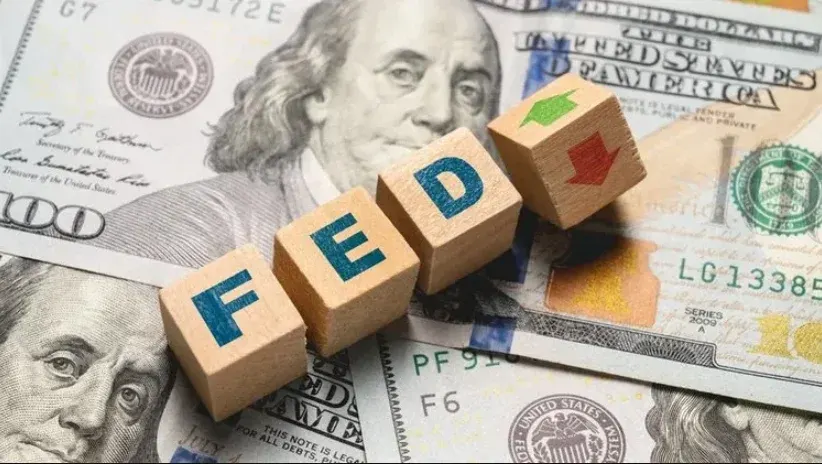
First Trust economists argued that the market expects the Fed to raise interest rates more than necessary by 2027. In a report dated November 25th, authored by Brian Wesbury, Robert Stein, and Andrew Opdyke, it was stated that even without further rate changes, inflation could fall towards the 2 percent target next year.
The assessment comes at a time when a further increase at the December meeting is strongly priced in. Polymarket’s November 26th outlook shows a 25 basis point rate hike with a probability of approximately 94 percent. However, the main debate among economists centers on how long the tightening will continue after the December decision.

94% Increase Expected for December
At Polymarket, the probability of interest rates remaining unchanged is approximately 3.5%, while the probability of them being increased by at least 50 basis points is 2.1%. Each of the rate cut options remains below 1%.
The Fed’s current policy interest rate is in the 3.75–4.00% range. If the expected 25 basis point increase occurs, this range will rise to 4.00–4.25%.
These rates reflect the pricing of participants trading on Polymarket. While there is a clear consensus on the number of increases expected throughout next year, the same level of confidence is not reflected in the overall figures.
First Trust Examines Slowdown in Money Supply and Consumption
Where First Trust deviates from market expectations is the future trajectory of inflation. Economists noted that the M2 money supply grew by 0.5 percent in October, or 5.9 percent year-on-year. They compared this rate to the average of approximately 6 percent during the 2010s, when inflation mostly remained below 2 percent.
According to the report, current money supply growth could create a picture consistent with lower inflation next year. Therefore, economists do not expect all the increases priced for 2027 to materialize.
Consumers’ spending capacity also plays a significant role in the assessment. First Trust added that spending is growing faster than income and the savings rate has fallen to 4.1 percent. They believe that low savings support current consumption but make it difficult to sustain spending at the same rate in the long term.
Economists are not calling for interest rate cuts due to current inflation. Their objection is based on the view that the Fed will have to tighten more than expected in the market next year.
3.8% Inflation is an Obstacle for the Fed
Data released by the U.S. Bureau of Economic Analysis on November 25th shows why the Fed remains cautious. In October, annual PCE inflation was 3.8 percent, and core PCE inflation was 3.3 percent. Both indicators saw a monthly increase of 0.3 percent.
Consumer spending increased nominally by 0.3 percent; however, inflation-adjusted spending remained almost unchanged. This presents a picture where real growth in consumption has stagnated while price pressures persist.
First Trust’s expectation of more limited tightening is countered by the fact that inflation remains significantly above the Fed’s target.
Rosengren: The Stock Market Decline May Be Part of What the Fed Wants to Do
Former Boston Fed President Eric Rosengren offers a different perspective to those who expect the market downturn alone to halt interest rate hikes.
In a recent analysis by Nick Timiraos for the Wall Street Journal, Rosengren noted that lower stock prices and tightening financing conditions could slow the economy. He believes that slowing down AI investments, which have been driving strong demand, is crucial for combating inflation.
Conversely, growing problems in heavily indebted companies and disruptions in credit flow could create a more serious economic weakening. Such a development is one of the conditions that could reduce the number of additional increases the Fed would need.
The Decision is on December 9th, The Message for Bitcoin in 2027 Stands Out.
The Federal Reserve’s final meeting of the year will be held on December 8-9, 2026. The interest rate decision will be announced on Wednesday, December 9th at 10:00 PM (Turkish time), followed by Chairman Kevin Warsh’s press conference at 10:30 PM (Turkish time). The meeting will also include the release of new economic forecasts and a dot plot showing interest rate expectations.
For Bitcoin and altcoins, not only the magnitude of the December increase but also the subsequent interest rate path is important. Signals of further increases could reinforce expectations that financing costs will remain high. Conversely, indications of more limited tightening, as predicted by First Trust, could alleviate this pressure.
This story was originally published by Bitcoinsistemi. Read the original article.