Crypto Self-Custody Gains Importance As Cybersecurity Threats Expose Digital Risks

TL;DR
- Rising cybersecurity threats are reinforcing the case for stronger digital asset protection, with AI-assisted tools making vulnerability discovery faster and attacks potentially easier to execute.
- Bitcoin self-custody gives users direct control over their private keys, reducing reliance on centralized platforms while placing greater responsibility on individual holders.
- Hardware wallets, multifactor authentication, unique passwords, and careful transaction verification can help crypto investors reduce exposure to phishing, account breaches, and infrastructure failures.
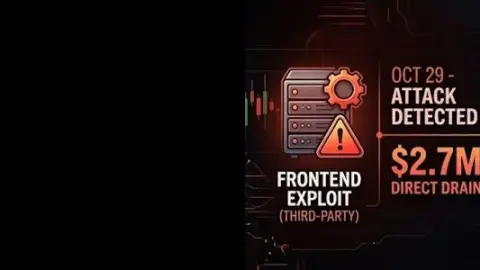
Cybersecurity concerns are reshaping how investors approach cryptocurrency storage as artificial intelligence accelerates the discovery of software vulnerabilities. Recent reports of security incidents across digital services have renewed attention on self-custody, private key management, and the risks of relying entirely on centralized providers.
For Bitcoin holders and other digital asset investors, the debate goes beyond convenience. It concerns who controls their funds, how transactions are authorized, and whether the platforms managing their assets can withstand increasingly sophisticated attacks.
Crypto Self-Custody Offers An Alternative To Centralized Risk
The cryptocurrency sector was built around a fundamental principle: individuals should be able to control their assets without requiring permission from banks or other intermediaries. Self-custody applies that principle by allowing users to manage their own private keys through personal wallets.
When investors leave funds on an exchange, the platform typically controls the underlying wallet infrastructure and facilitates withdrawals. This arrangement can simplify trading, but it also exposes customers to exchange-specific risks, including operational failures, account restrictions, and security breaches.
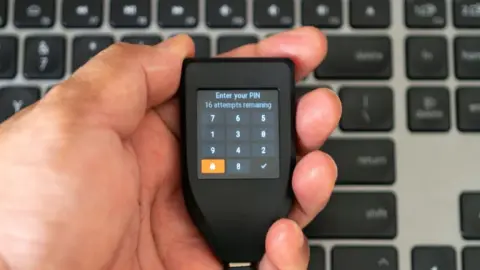
Self-custody changes that relationship. Hardware wallets keep private keys isolated from ordinary internet-connected devices, reducing exposure to many remote attacks. However, they cannot eliminate every threat. Users who lose their recovery phrases, approve malicious transactions, or disclose sensitive information can still lose their holdings permanently.
Bitcoin security advocate Jameson Lopp has long argued that holding private keys is essential to benefiting from Bitcoin’s core properties. The reasoning is straightforward: independent control removes certain third-party dependencies, although it requires investors to take responsibility for securing their own assets.
AI Cybersecurity Threats Increase Pressure On Crypto Investors
Artificial intelligence is changing both sides of cybersecurity. Security teams can use automated tools to identify weaknesses more quickly, while malicious actors can use similar capabilities to improve phishing campaigns, analyze vulnerable systems, and automate parts of their attacks. AI is increasing the importance of proactive digital security across the financial sector.
This development matters for cryptocurrency because blockchain transactions are generally irreversible. A compromised account, exposed seed phrase, or deceptive signature request can lead to losses that conventional customer support cannot easily reverse.
The broader digital ecosystem also depends on interconnected cloud services, software libraries, and authentication systems. A weakness in one widely used component can affect multiple organizations simultaneously, including companies serving cryptocurrency users.
Investors can reduce their exposure by enabling multifactor authentication, using unique passwords, updating devices, and avoiding suspicious links. Separating everyday spending funds into a hot wallet while keeping longer-term holdings in a hardware wallet can also limit the potential damage from an individual compromise.
Before approving a blockchain transaction, users should verify the destination address, the requested permissions, and the amount involved. A familiar interface does not guarantee that a transaction is safe.
Ultimately, stronger personal security and resilient infrastructure must work together. As digital assets become more integrated into financial markets, self-custody remains a practical option for investors who value financial independence, provided they understand its responsibilities. The priority is not to eliminate every possible threat, but to minimize unnecessary trust, protect private keys, and make informed decisions before moving funds.
This story was originally published by Crypto Economy. Read the original article.