U.S. Treasury Cuts Off MEXC From U.S. Financial System
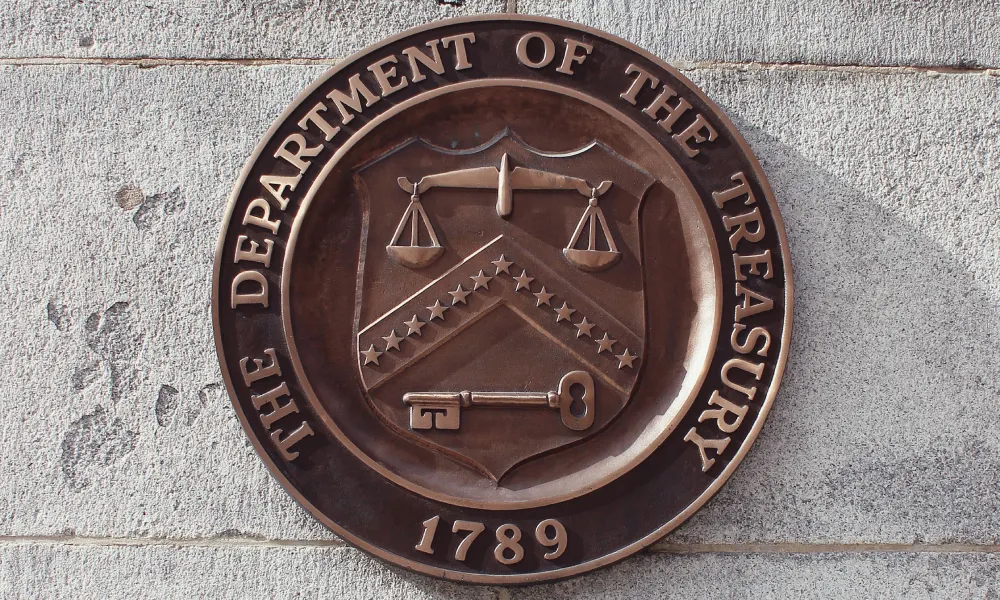
Crypto exchange MEXC Global was cut off from the U.S. financial system Friday, after the Treasury Department’s Financial Crimes Enforcement Network accused it of facilitating at least $16 billion in illicit transactions tied to Iranian, North Korean and Russian sanctions evasion and cybercrime.
The order bars U.S. financial institutions from processing funds transfers to or from MEXC and takes effect 30 days after publication in the Federal Register. It is one of the largest actions the Treasury has taken against a crypto exchange. MEXC, founded in 2018, processed more than $1 billion in daily transactions and held about $5 billion in reserves as of September, Treasury said, making it one of the 20 largest crypto exchanges in the world.
According to the Treasury’s press release, MEXC facilitated the movement of at least $16 billion in illicit funds between May 2021 and May 2026. That includes nearly $1.5 billion tied to Russian sanctions evasion, of which $232 million were direct transactions with entities sanctioned by the U.S., European Union and United Kingdom. Treasury said MEXC was still processing transactions with Russian exchange Garantex and its successor Grinex as recently as June 2026, more than four years after the U.S. sanctioned Garantex in April 2022. It also cited at least $26 million in transactions benefiting the Russia-based A7 sanctions-evasion network and almost $200 million tied to the A7A5 stablecoin the network uses.
On Iran, Treasury said MEXC sent or received about $1 billion in direct transactions with more than 40 Iranian crypto exchanges, some of them sanctioned, and processed about $22 million for the Central Bank of Iran and the Islamic Revolutionary Guard Corps and its Qods Force. The exchange also handled ransomware and scam payments and darknet market activity, according to the release. Treasury said severe weaknesses in MEXC’s anti-money-laundering controls allowed these transactions even though the exchange’s own policies prohibit users from jurisdictions including Iran and North Korea.
FinCEN issued the order under Section 9714(a) of the Combating Russian Money Laundering Act, identifying MEXC as a primary money laundering concern in connection with Russian illicit finance. Violations may bring civil or criminal penalties, and the order does not change existing obligations under the Bank Secrecy Act or sanctions rules enforced by the Treasury’s Office of Foreign Assets Control.
Treasury Secretary Scott Bessent said financial institutions cannot both support the Iranian regime and keep access to the U.S. financial system, adding that Treasury will keep working to “sever the Iranian regime’s economic lifelines” and stop attempts to evade sanctions using digital assets.
The action is part of Operation Economic Outcast, a Treasury campaign launched in August to cut off financial entities that help Iran evade U.S. sanctions.
This story was originally published by CryptoProwl. Read the original article.