DOJ Secures Court Order to Seize $1.2 Billion in North Korea-Linked Binance Hack Funds
Total frozen assets tied to the stolen crypto have now surpassed $2.7 billion, authorities say.
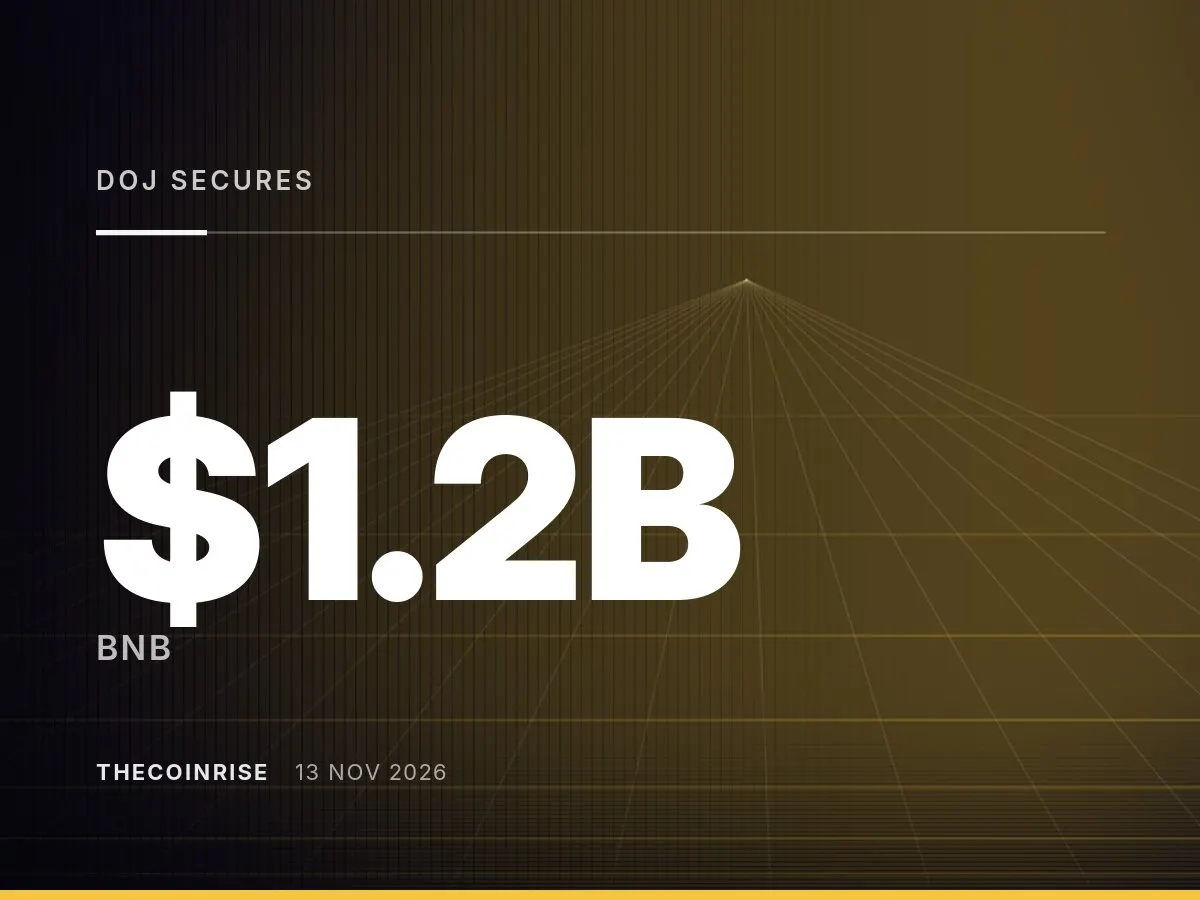
The U.S. Department of Justice has obtained court approval to seize $1.2 billion in cryptocurrency traced to a hack of Binance attributed to North Korean actors. The order represents a major step in an ongoing effort to claw back stolen digital assets. Authorities say total frozen funds connected to the breach now exceed $2.7 billion.
The seizure order follows a lengthy investigation into the movement of stolen funds across blockchain networks. North Korean state-linked hacking groups have repeatedly targeted crypto exchanges and platforms in recent years. Proceeds from such thefts are widely believed to help fund the country's weapons programs, according to prior assessments from U.S. officials and blockchain analysts.
The gap between the $1.2 billion seizure order and the $2.7 billion in total freezes raises questions about the disposition of the remaining funds. It remains unclear whether the balance sits in separate legal proceedings, remains under investigation, or has already moved beyond the reach of current freezes. Reporting on the matter has not yet detailed the status of those additional assets.
Court-authorized seizures of this scale require investigators to demonstrate a clear chain of custody linking specific wallets or accounts to the underlying crime. In crypto cases, that process typically relies on blockchain tracing tools that follow transactions across exchanges, mixers, and intermediary addresses. The scale of this seizure suggests investigators built a detailed evidentiary record connecting the funds to the original hack.
Binance, the world's largest crypto exchange by trading volume, has faced scrutiny over its security practices and its cooperation with law enforcement in past incidents. Exchanges that process large volumes of transactions remain frequent targets for sophisticated hacking operations, particularly those linked to state actors with resources to exploit technical vulnerabilities.
The case adds to a growing list of U.S. enforcement actions against North Korea-linked crypto theft. Federal agencies have increasingly coordinated with private blockchain analytics firms to track and freeze stolen funds before they can be laundered through decentralized exchanges or converted into fiat currency.
Market Impact
Large-scale seizures of stolen crypto can influence market sentiment around exchange security and regulatory oversight. Investors and institutions often watch such cases as indicators of how effectively law enforcement can recover assets after major breaches.
For Binance and similar platforms, continued association with high-profile hacks may renew scrutiny from regulators and users regarding custody practices. The outcome of efforts to recover the remaining funds beyond the $1.2 billion order could further shape confidence in cross-border crypto enforcement capabilities.
The $1.2 billion seizure order marks a significant milestone in tracking stolen crypto tied to North Korea. Questions remain about the fate of the additional funds within the broader $2.7 billion in freezes.
Frequently Asked Questions
What did the DOJ accomplish in this case?
The DOJ obtained court authority to seize $1.2 billion in cryptocurrency linked to a Binance hack attributed to North Korean actors.
How much total crypto has been frozen in connection with the hack?
Reported freezes tied to the stolen funds have surpassed $2.7 billion, though the seizure order currently covers $1.2 billion of that total.
What happens to the remaining frozen funds not covered by the seizure order?
The status of the remaining funds has not been clearly detailed in available reporting, leaving their legal disposition uncertain for now.
Why is North Korea linked to this hack?
U.S. officials and blockchain analysts have previously attributed similar large-scale crypto thefts to North Korean state-linked hacking groups.
This story was originally published by The Coin Rise. Read the original article.