David Schwartz Addresses A Major Misconception about XRP
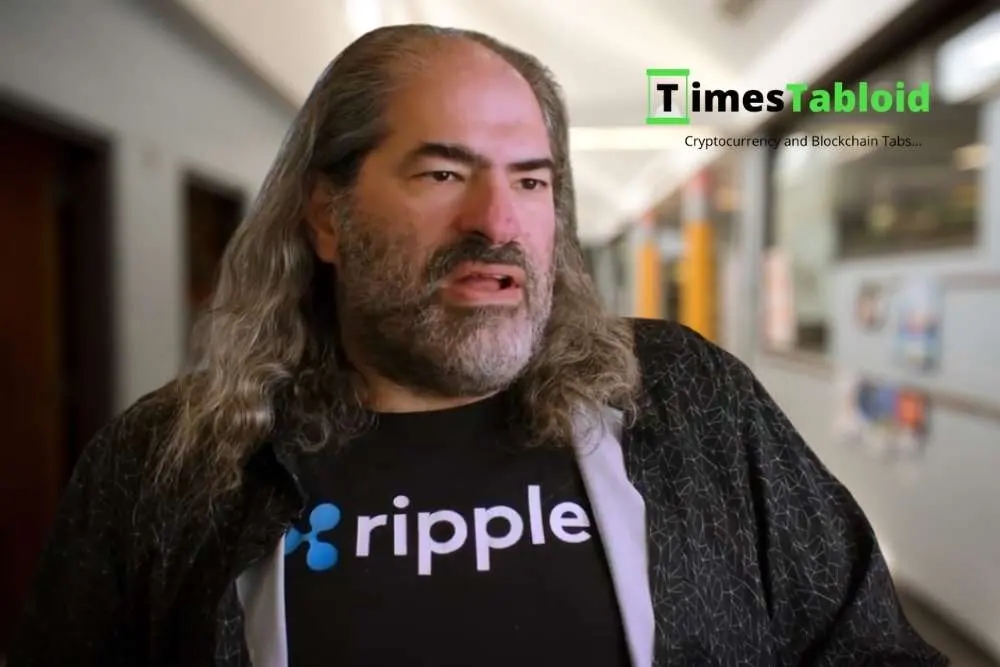
Crypto influencer John Squire has shared an interview on X in which Ripple’s former Chief Technology Officer, David Schwartz, clarified misconceptions surrounding the XRP Ledger’s ownership and governance.
The discussion explained the distinction between XRP, the XRP Ledger, and Ripple as a company. Schwartz explained why Ripple’s significant involvement in the ecosystem does not give the company authority over the network, while highlighting the role of independent validators in maintaining its operations.
The interview, conducted by Decrypt’s André Beganski, also examined institutional adoption, tokenized real-world assets (RWAs), stablecoins and the future of decentralized finance.
RIPPLE IS NOT THE XRP LEDGER.
David Schwartz addresses one of the biggest misconceptions about XRP.
Ripple can build on the network, but it cannot dictate its rules.
That distinction matters more than many critics realize. pic.twitter.com/CnJs1NVosC
— John Squire (@TheCryptoSquire) November 1, 2026
David Schwartz Clarifies Ripple’s Role In The XRP Ledger
Schwartz identified the belief that Ripple controls the XRP Ledger as its biggest misconception. He explained that the network operates as a public blockchain where participating nodes independently enforce established rules.
According to Schwartz, Ripple operates approximately 1% of the network’s validators, while most have no affiliation with the company.
Although Ripple contributes to infrastructure development, developer resources, grants and accelerator programs, these activities do not give it authority to censor transactions or independently alter the network’s rules.
He noted that the XRP Ledger has operated with a global validator network since 2012. Its consensus mechanism establishes transaction validity and prevents individual participants from unilaterally changing payment outcomes. Schwartz added that any attempt to censor transactions would become publicly visible, making such interference difficult to conceal.
Tokenization And Institutional Adoption Drive Network Growth
The interview also examined the growing adoption of tokenized real-world assets on the XRP Ledger. Beganski cited Token Relations data showing that the value of tokenized RWAs on the network increased by 2,260% in seven months, rising from $5 million to $118 million.
Schwartz attributed this growth to public blockchains becoming increasingly capable of meeting institutional requirements. He identified auditability as a major advantage, particularly for financial institutions managing tokenized money market funds and venture capital investments.
He explained that blockchain transparency allows auditors to verify financial records more efficiently, addressing the challenge of proving that institutions have disclosed all relevant transactions. These capabilities can reduce operational costs and provide a competitive advantage for businesses working with narrow profit margins.
Schwartz also argued that institutional adoption could expand decentralized finance beyond speculative activities. He identified loans, investment accounts, payments and retirement-related products as practical financial services that could encourage broader participation.
RLUSD Could Support Payments And Tokenized Finance
Schwartz further discussed the potential role of Ripple’s RLUSD stablecoin in supporting financial applications on the XRP Ledger. He explained that stablecoins could facilitate payments involving tokenized loans and securities, particularly when recipients prefer receiving a stable asset rather than dealing with cryptocurrency price fluctuations.
He also highlighted their potential use as collateral, noting that stable assets could make it easier for financial institutions and prime brokerages to manage and transfer funds.
According to Schwartz, the combination of stablecoins, tokenized real-world assets and institutional financial services could provide the infrastructure needed for the next phase of DeFi adoption.
This story was originally published by Times Tabloid. Read the original article.